
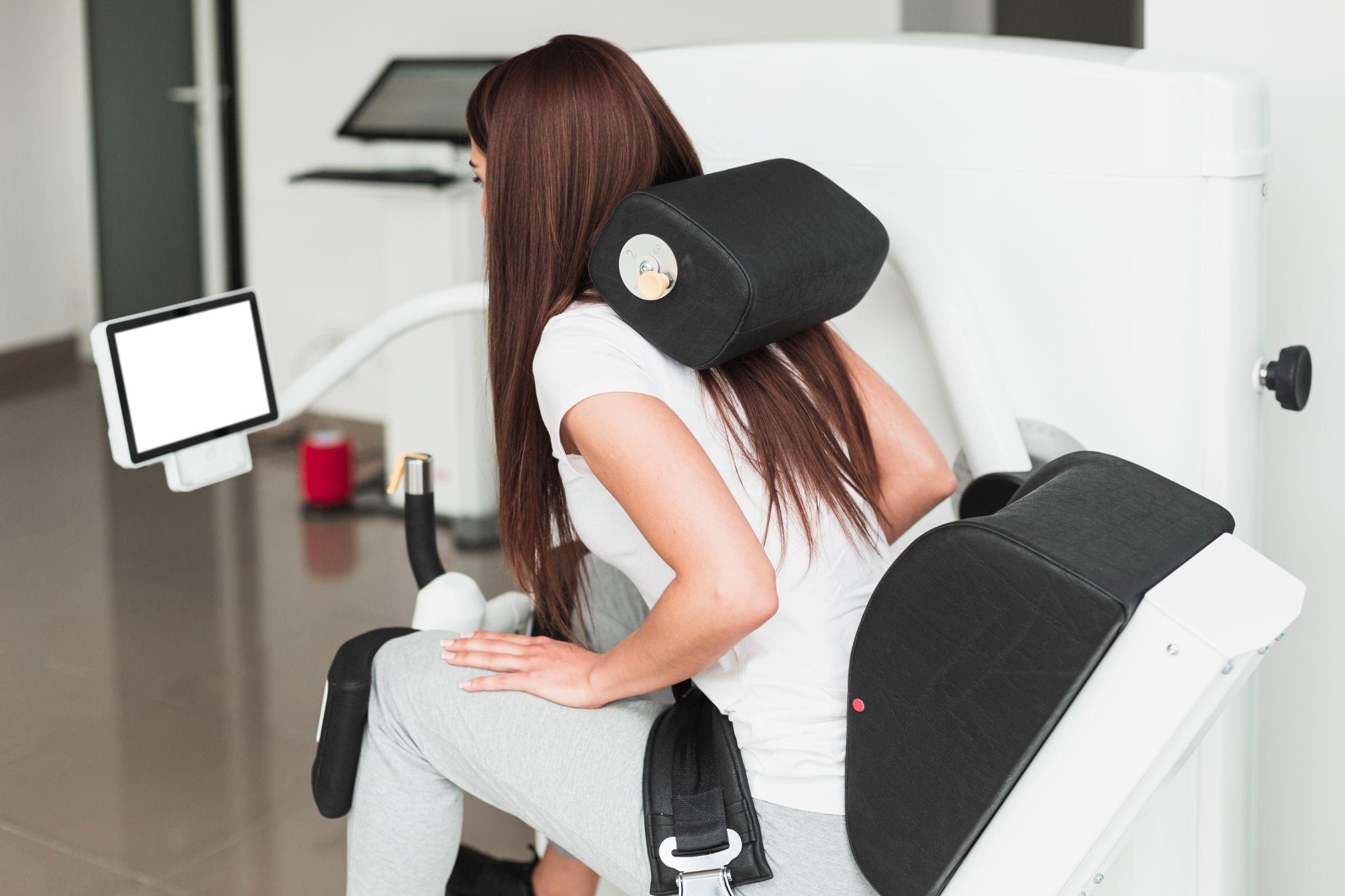
It’s easy to enjoy a full-body massage chair, but many people wonder how often they should use it to get the best results. Is a quick daily session enough, or should you use it a few times a week? The answer depends on your body, your routine, and what you want to improve.
Using it the right way can help reduce stress, ease muscle tension, and support better posture. In this blog, we’ll break down how often to use a massage chair so you can feel better, stay relaxed, and make the most of every session.
What a Full Body Massage Chair Really Does and Where It Falls Short
A full body massage chair is nothing like that $200 vibrating recliner you remember from a department store in 2009.
Today’s models, especially the top massage chairs in the USA, feature 3D or 4D roller systems, zero gravity recline positions, airbag compression technology, infrared heat therapy, and smart body-scanning features. Coverage typically runs from the neck to the calves, sometimes even the feet.
That engineering delivers real benefits: lower cortisol levels, better sleep, less soreness after activity, improved circulation, and support for posture. What it doesn’t deliver, and this matters, is medical treatment. A chair is a wellness tool, not a clinical device.
What the Research Actually Tells Us
Studies consistently link regular massage with reduced cortisol, improved heart rate variability, and faster recovery from physical activity. Improved range of motion also shows up often in the literature.
Notice the word consistent there. Steady, moderate use outperforms occasional marathon sessions, reliably and significantly. It’s the same logic that makes a daily 30-minute walk more beneficial than one intense hike on Saturday.
Who Benefits Most and Who Should Be Cautious
Office workers, competitive athletes, older adults, and people carrying chronic tension tend to see the most meaningful results. If your day involves eight-plus hours of sitting or regular heavy training, a massage chair slots naturally into your recovery stack.
That said, anyone dealing with blood clotting disorders, severe osteoporosis, recent surgery, implanted cardiac or neurological devices, uncontrolled cardiovascular conditions, or pregnancy should speak with a physician first. That’s not boilerplate caution. It’s a genuine safety threshold.
How to Think About Massage Chair Usage Frequency
Think of your chair like a prescription rather than a luxury amenity. Session intensity multiplied by duration multiplied by massage chair usage frequency equals your effective dosage. Underdose and you get underwhelming results. Overdose and you create unnecessary soreness and tissue irritation. The formula matters.
Your ideal frequency also depends on the chair’s output capabilities, your current health baseline, and what you’re actually trying to accomplish.
Finding the Goldilocks Zone for Session Frequency
For most healthy adults, how often to use a massage chair falls in a practical, sensible range. Begin with 10–20 minute sessions, three to five times per week.
This gives your connective tissues and nervous system adequate time to adapt. On higher-end full-body massage chairs with granular intensity controls, daily use at moderate settings is broadly considered safe by wellness professionals.
Here’s something worth knowing: most soreness after chair use comes from excessive pressure or session length, not from frequency itself at reasonable intensity levels.
Recognizing the Warning Signs of Overuse
Lingering soreness the next day. Unusual fatigue. Tingling sensations. Headaches. That oddly wired, overstimulated feeling after sessions. Any of these signals that your body is asking for recovery time, not more massage.
If you notice them, cut your session duration in half, lower the intensity setting, and schedule a couple of rest days. Persistent symptoms after that? Stop using the chair and consult a doctor.
Recommended Massage Chair Usage Frequency by Specific Goal
A marathon runner and a sleep-deprived product manager have different bodies and different needs. Their usage routines should look different, too.
Daily Stress Relief and Relaxation
People in high-demand desk roles tend to do best with 15–20 minute sessions, five to seven days per week. Timing matters here; sessions 60 to 90 minutes before bed significantly improve sleep onset and quality. Low-to-medium intensity combined with zero gravity positioning and gentle heat is generally the most effective configuration.
Post-Workout and Athletic Recovery
Using a massage chair for recovery delivers the most benefit when sessions happen 30–90 minutes after training. Three to five sessions per week, targeting legs, glutes, and back, keeps delayed onset soreness manageable without aggravating already-fatigued tissues.
Lean into compression airbag programs and built-in stretching modes. One rule worth following: avoid maximum intensity immediately after heavy resistance training. Your muscles need gentle encouragement, not additional mechanical stress.
Chronic Back Pain, Neck Stiffness, or Persistent Tension
With appropriate medical clearance, structured sessions of 10–20 minutes, three to five times per week, produce better outcomes than unstructured, lengthy use on random days. Always begin at the lowest available intensity setting. Only increase when your body clearly tolerates the current level.
Combine chair sessions with light mobility work and regular movement breaks throughout the day. Tracking your pain scores week over week gives you actual evidence of whether your current routine is helping.
Massage Chair Use for Older Adults
Seniors benefit most from shorter, gentler sessions, 10–15 minutes at low intensity, three to seven days per week, depending on individual tolerance.
Zero gravity recline with soft heat and mild air compression tends to work well. There’s no reason to push aggressive deep-tissue settings on aging tissue; the gentler approach delivers the benefits without the discomfort.
Absolute Limits Worth Respecting
A single session on a full-body massage chair generally should not exceed 20–30 minutes. Total cumulative daily use, across multiple sessions, should remain under 60 minutes. Many manufacturers cap individual sessions at 15–20 minutes for good reason; if your chair’s documentation specifies limits, follow them.
Knowing When to Step Back Entirely
Take a minimum of one rest day per week when using deep-tissue or high-intensity settings. If recurring soreness or fatigue develops, take two to three full recovery days before returning at a lower intensity. People managing diabetes, peripheral neuropathy, or circulation conditions should apply more conservative parameters from the very beginning, not after symptoms develop.
Quick-Reference Guide: What to Do and What to Avoid
Do: Start at low intensity. Build gradually. Use built-in programs rather than overriding them manually. Drink water after sessions. Pair chair use with light stretching.
Don’t: Use maximum intensity daily. Skip rest days when your body signals soreness. Use the chair immediately after a large meal or an acute injury. Ignore session time limits specified by the manufacturer.
Frequently Asked Questions
Can you safely use a massage chair every day?
Yes, for most healthy adults, provided sessions stay at moderate intensity and run 15–20 minutes. Daily use at low-to-medium settings on quality full body massage chairs carries no documented long-term side effects for healthy users.
How should beginners approach the first week?
Three to four sessions of 10–15 minutes at the lowest intensity setting. Let your body adapt before increasing pressure or duration. Most people feel ready to increase frequency after the first seven days.
What’s more effective for recovery: fewer long sessions or more short sessions?
More frequent shorter sessions win, clearly. Brief daily sessions sustain circulation and reduce delayed soreness more reliably than occasional hour-long uses. Consistency of stimulus matters more than session length for massage chair for recovery purposes.
Use the Chair Like a Professional Would
The single most important principle governing a full body massage chair is one that applies to most wellness practices: consistency reliably beats intensity. Brief, regular sessions, designed around your health goals and personal tolerance, will produce better, more durable results than aggressive, sporadic use ever will.
Start conservatively. Pay close attention to how your body responds across the first few weeks. Adjust from there with intention. The massage chair benefits documented by research are real and repeatable, but they accrue to people who treat the chair as a structured wellness tool, not a shortcut or an indulgence.
Used with professional discipline and genuine self-awareness, this investment will serve you well for years to come.