

In the realm of global advertising, tone isn’t just a matter of style, it serves as a cultural guide. What might resonate as a compelling sales pitch in one area could be perceived as overly aggressive in another. Some cultures lean towards a gentle nudge of persuasion, while others anticipate a bold declaration of confidence.
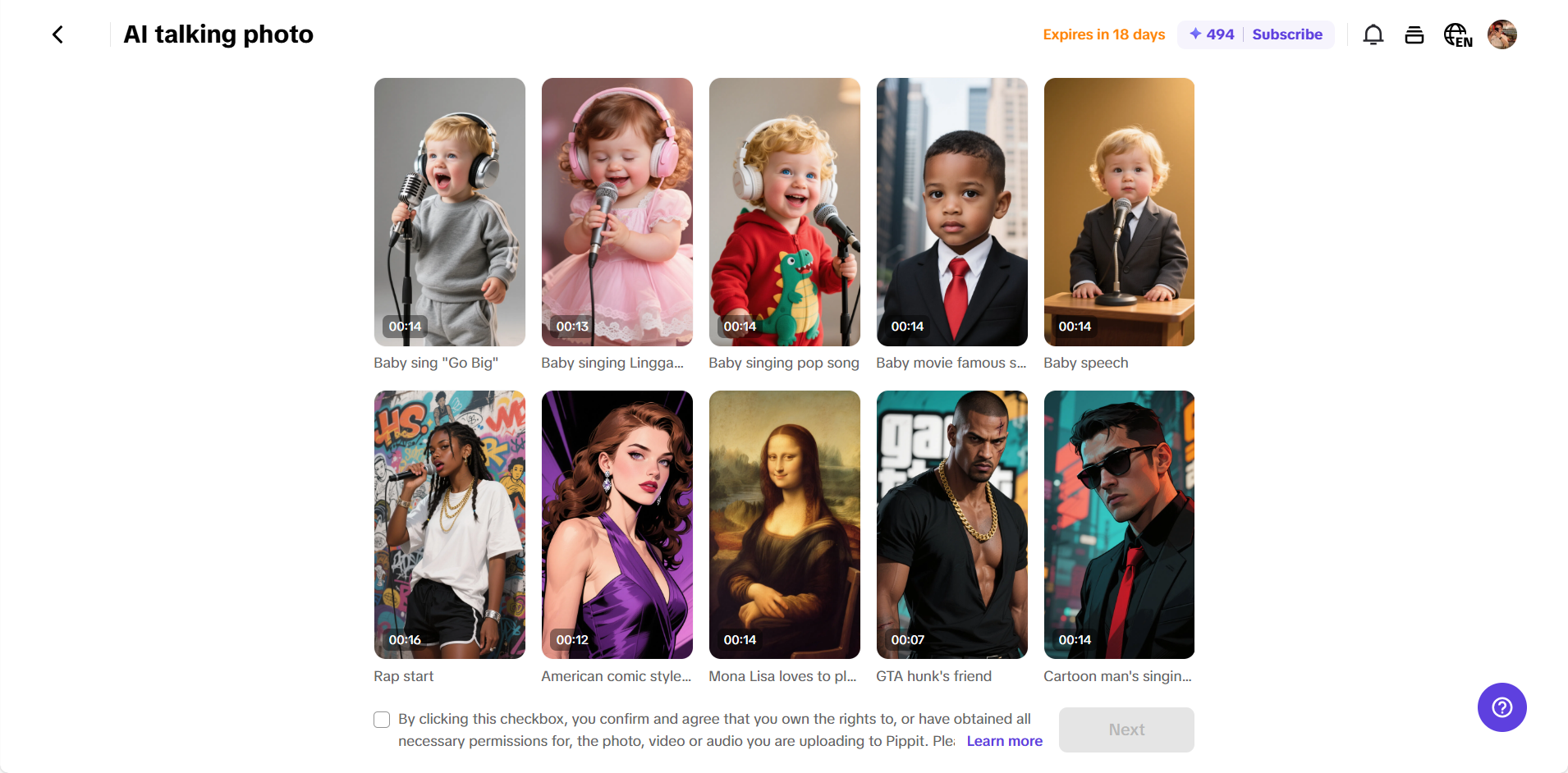
As brands expand globally, they must keep their voice, words, and feelings consistent without sacrificing the message. That’s where applications like Pippit are essential. With Pippit’s AI functions, such as AI photo to video, brands can keep tone consistent while adapting visuals for various audiences, without redoing everything from scratch each time. Let’s crack the code on how story styles in advertising change across borders and why tone means more than you realize.
Loud in Lagos, subtle in Stockholm: why tone is everything
Tone in advertising tends to mirror the speed and temperament of a place. In high-energy, fast-paced markets, larger-than-life headlines, quick cuts, and hyperbolic voiceovers grab notice. In low-key, minimalist cultures, understatement, honesty, and subtlety are more effective.
Where loud works
-
United States: Hard-sell strategies continue to work, ‘Buy Now!’ and ‘Limited Time Offer’ endure.
-
India & Nigeria: aims at energy, time, and feeling peaks resonate with audiences accustomed to sensational drama on screens.
Where soft Is strong
-
Japan: Ads tend to softly convey rather than scream, focusing concord, and self-reflection.
-
Sweden: Reserve and sincerity are accepted rather than bombastic assertions.
A story of two commercials: same product, different tales
Imagine an international brand with green washing powder to sell. The ad in the U.S. could begin with a mom wrestling a pile of dirty, muddy clothes while a happy tune plays in the background, a loud ‘Fight stains now! The same brand’s German ad, for instance, may start with subdued shots of scenery, slow-motion pours of transparent liquid, and a narrator reading in a peaceful voice about how the product keeps clothes and the earth safe. The same value is promoted in both ads, but the tone shifts according to the market’s cultural comfort level.
The risks of copy-pasting campaigns
Copy-pasting a campaign across borders without changing the tone can boomerang.
-
Loss of trust: A soft-sell market may experience a hard-sell advertisement as pushy or not genuine.
-
Confusion: Pop culture, idioms, and humor don’t necessarily play across geographical boundaries, leaving viewers bewildered.
-
Rejection: Audiences are likely to ignore or even boycott a brand that is tone-deaf or dismissive.
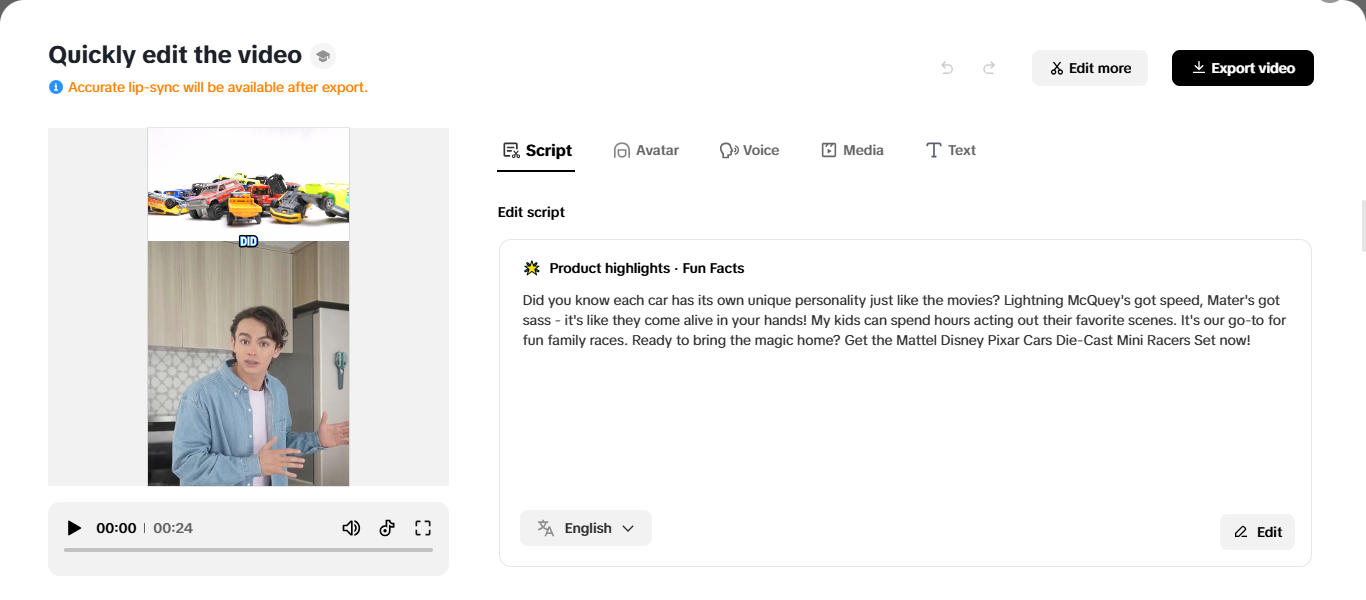
Using a smart ad maker enables creators to craft several versions of a message with suitable tones suited to different groups of people, without having to develop each individual from the ground up.
Soft-sell: storytelling and empathy
Soft-sell advertising is centered on long-term relationships, emotional appeal, and subtle persuasion. This style of advertisement is frequently popular in Europe and certain areas of Asia. What does it sound like?
-
Soft narration
-
Delicate pacing
-
Values, sustainability, or lifestyle highlighted
-
Family, nature, or simplicity imagery
Rather than direct the customer into action, soft-sell advertisements ask the customer to join a story, and decide on their own.
Hard-sell: urgency, authority, and high impact
Hard-sell commercials are generally louder, more straightforward, and results-oriented. Imagine bold imagery, rapid scenes, and explicit call-to-action. This type of approach is popular in North America, Latin America, and Africa. It’s effective when:
-
Launching a time-limited promotion
-
Promoting mass-market goods
-
Competing in busy, fast-moving media environments
These are attention-grabbing ads, but if used to excess, they could seem impersonal or overly pushy in some areas.
Voice localization using tech support
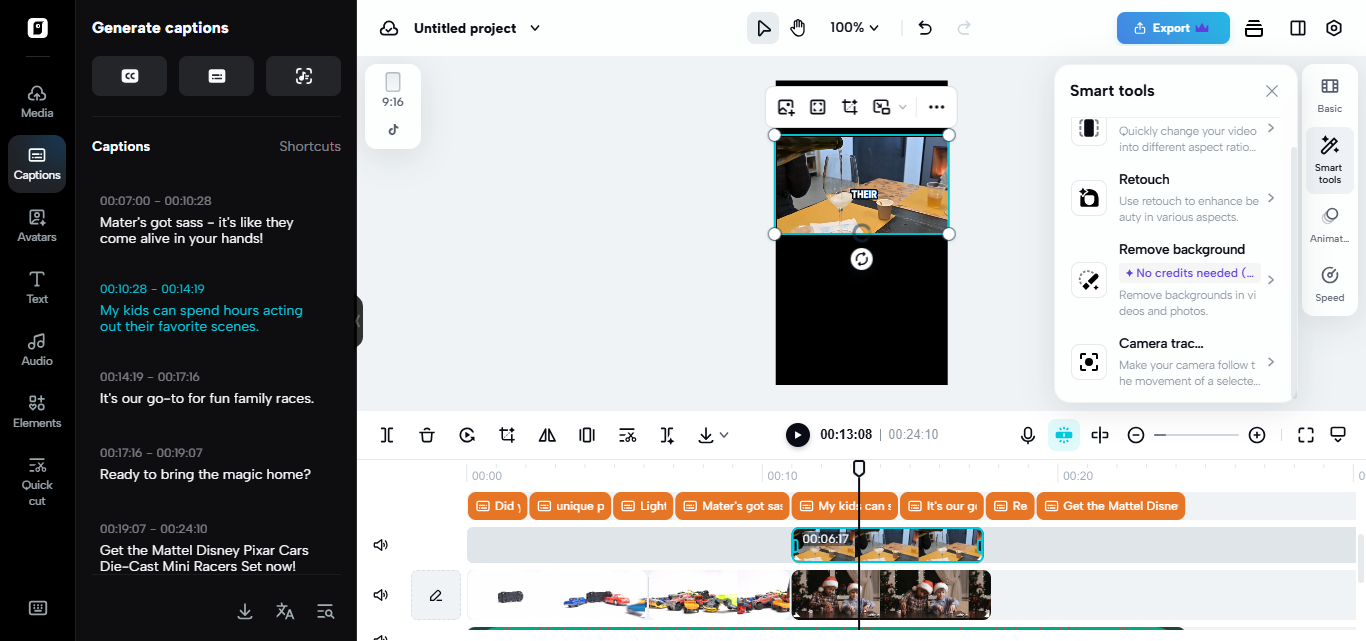
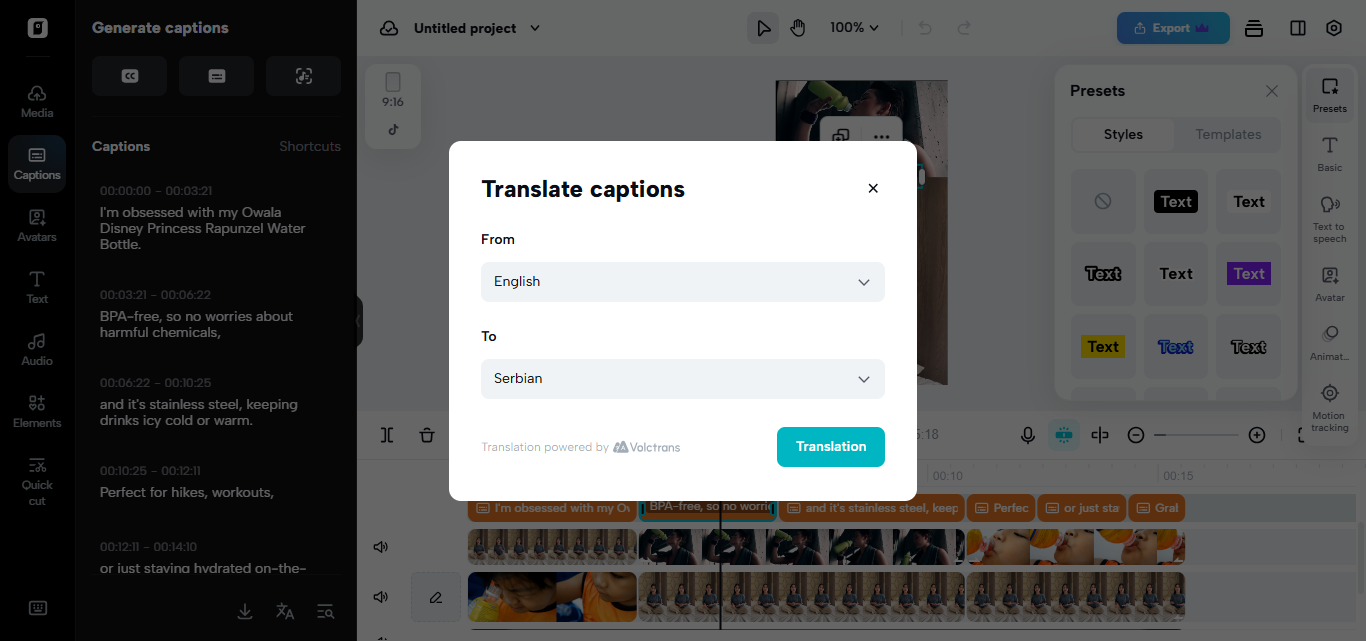
Writing tone-specific copy in several languages isn’t simple. That’s where AI technology presents a serious improvement. The free online video language translator feature in new creative suites makes it possible for marketers to maintain emotional tone, pacing, and cultural references in place as they translate spoken or written content into several languages.
Rather than using rigid subtitles or automated translations, these platforms enable whole ad experiences to be recaptured, ensuring a Swedish whisper doesn’t randomly become a Spanish shout.
What global brands can learn from local success
Successful global campaigns for brands tend to take tips from local creatives. Why?
-
Local creators know what’s funny, romantic, or authoritative in their culture.
-
They recognize whose voice is resonating and what imagery evokes emotional resonance.
-
They can advise when to tone it down, or amp it up.
This is why regional marketing teams are becoming essential partners in building multinational campaigns that land well everywhere.
How AI can help find the right volume
Tools like Pippit make it easier than ever to tailor campaigns for different voices, cultures, and emotional tones, without losing creative control. Its smart dashboard allows you to transform photos into videos, try out narrative tone, and translate not only the words, but the feeling of your campaign across borders. Need to test if a whisper sells more than a scream for your next ad? Now, you can A/B test tone as you would colors.
Final thoughts: speak their language, emotionally
If tone of voice is the essence of a message, then localization is the art of calibrating that essence to every listener. You don’t have to yell to be heard, or whisper to be heard, and taken seriously. You simply have to understand your audience and have regard for the beat of their culture. That’s the true formula for global messaging. Ready to fine-tune your brand’s voice for every marketplace, without sacrificing its tone? Give Pippit a try to craft creative concepts into absolutely in-tune, world-awakening video ads.