LED technology has fundamentally reshaped how audiences experience live stage productions. From concert tours spanning multiple continents to corporate events held in open-air venues, the visual backbone of modern performances relies on massive, vibrant displays that captivate crowds and amplify artistic vision. Yet production companies face a persistent challenge that no amount of creative brilliance can overcome alone: unpredictable weather. Rain, wind, extreme heat, and dust threaten to derail outdoor events, turning expensive equipment into costly liabilities. This raises a critical question—why have weather-resistant LED video walls become absolutely non-negotiable for professional stage setups?
The answer lies at the intersection of technical standards, creative ambition, and environmental resilience. In this article, we explore how the industry-standard 16×9 aspect ratio provides the ideal visual foundation, how flexible and creative LED designs empower production teams to push artistic boundaries, and how robust weatherproofing features ensure that the show goes on regardless of what nature delivers. Together, these elements define the modern standard for stage LED technology.
The Foundation: 16×9 LED Video Walls for Modern Stages
The 16:9 aspect ratio has become the universal language of visual content. From broadcast television and streaming platforms to cinematic presentations and live event graphics, virtually all professional media is produced in this widescreen format. For stage productions, adopting 16×9 LED video walls eliminates the friction between content creation and display, ensuring that every pixel of carefully crafted visual material appears exactly as intended. Production companies no longer need to crop, stretch, or letterbox their content—what’s designed is what the audience sees.
Beyond format compatibility, these displays serve as an immersive canvas that draws audiences deeper into the performance. A properly configured 16×9 LED video wall delivers high-definition imagery at scale, transforming a stage backdrop into a living environment that responds to music, narrative, and mood. The widescreen format naturally mirrors human peripheral vision, creating a panoramic effect that envelops viewers rather than merely presenting information. For weather-resistant LED video walls deployed on outdoor stages, this foundation becomes even more critical—the display must deliver consistent visual quality regardless of ambient light conditions or atmospheric interference, making the 16:9 standard the reliable starting point for any serious stage production.
Why the 16:9 Aspect Ratio is a Game-Changer
Every major camera system, editing suite, and motion graphics platform outputs in 16:9 by default. This means production teams can source content from virtually any provider—tour visuals, sponsor materials, live camera feeds—and display it without reformatting. The aspect ratio also delivers exceptional visual consistency across wide viewing angles typical of stage environments, where audiences are spread across large areas. Whether viewers stand directly center or off to the sides, the widescreen proportion maintains its intended impact without distortion.
Key Specifications of High-Quality Stage LED Displays
Pixel pitch determines viewing clarity at various distances—tighter pitches below 3mm suit audiences positioned closer to the stage, while larger pitches work effectively for festival-scale crowds viewing from greater distances. Brightness ratings matter enormously for stage applications; displays must overpower both direct sunlight in outdoor settings and intense stage lighting rigs that would wash out inferior panels. Look for outputs exceeding 5,000 nits for outdoor deployments. Refresh rates at or above 3,840Hz eliminate the flickering and banding artifacts that plague lower-quality displays, particularly when audiences capture footage on smartphone cameras. High refresh rates also ensure smooth motion rendering during fast-paced visual sequences. Together, these specifications determine whether a stage LED display performs reliably under the demanding conditions production companies face nightly.
Unleashing Creativity with Flexible LED Solutions
Production companies don’t simply want screens—they want transformative visual environments that distinguish one event from another. The era of flat, rectangular backdrops serving as glorified projection surfaces has given way to something far more ambitious. Flexible LED solutions now empower designers to sculpt light itself, wrapping displays around curved structures, suspending them at dramatic angles, and assembling configurations that would have been physically impossible just a decade ago. This shift toward creative LED design reflects a broader industry demand: audiences expect spectacle, and clients expect differentiation.
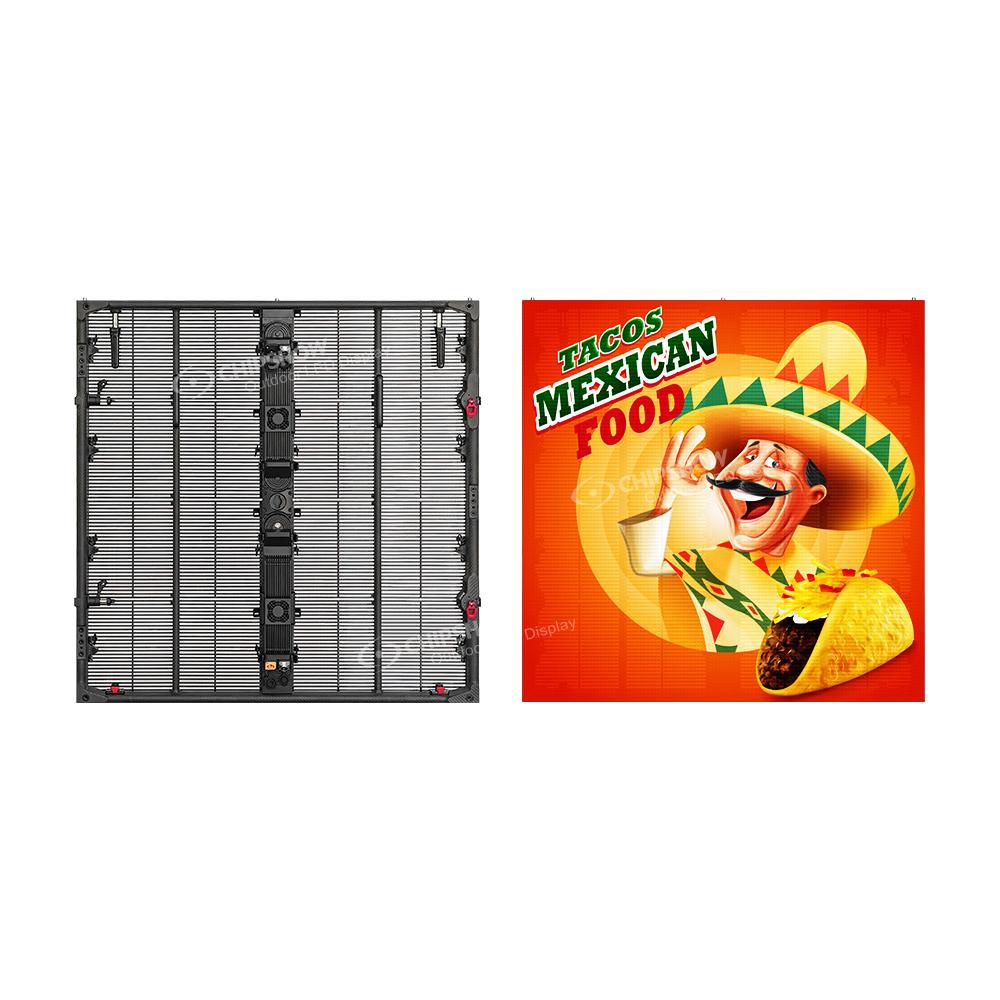

What makes modern flexible LED technology particularly valuable for stage applications is its ability to conform to artistic vision rather than constraining it. Curved concave screens wrap around performers to create immersive cocoons of imagery. Convex installations project outward into audience space, breaking the fourth wall between stage and crowd. Ribbon-style LED strips trace architectural lines across stage structures, while transparent LED mesh panels layer digital content over physical set pieces without obscuring them. Each approach serves a distinct creative purpose, yet all share a common engineering foundation—panels designed to bend, connect at varied angles, and maintain consistent color and brightness across non-planar surfaces. For production companies managing touring shows, this flexibility translates directly into competitive advantage. A single inventory of modular, adaptable LED components can serve a corporate keynote one week and a music festival the next, each time presenting an entirely different visual identity shaped by the creative LED design possibilities the hardware enables.
Modular Designs for Adaptable Stage Setups
Modular LED panels function as building blocks that production crews assemble into whatever configuration a specific event demands. Standard cabinet sizes—typically 500mm x 500mm or 500mm x 1000mm—lock together through quick-connect mechanisms that reduce setup time from hours to minutes. This modularity means a production company can deploy a compact 4×3 meter display for an intimate corporate presentation, then recombine those same panels into a sweeping 20-meter-wide concert backdrop the following day. Scalability extends beyond simple size adjustments. Crews can create L-shaped configurations, stacked columns, or ceiling-mounted arrays using identical hardware. Transportation logistics benefit enormously as well—standardized panel dimensions stack efficiently in road cases, maximizing truck space and reducing shipping costs across multi-city tours. The ability to rapidly adapt without purchasing entirely new systems makes modular design an economic imperative for companies managing diverse event portfolios.
Innovative Applications in Creative LED Design
The most memorable stage productions leverage LED technology in unexpected ways. Immersive 270-degree backdrops surround performers within seamless visual worlds, eliminating visible edges and creating the illusion of infinite space. Interactive floor panels respond to dancer movements, generating ripples of light that follow choreography in real time. DJ booths constructed entirely from LED surfaces transform the performer into a living element within the visual composition. Some productions deploy kinetic LED panels mounted on motorized winches, allowing screen elements to physically move during performances—rising, splitting apart, and reassembling into new formations. Others embrace unconventional geometries: triangular panels tessellating into crystalline structures, or cylindrical columns displaying 360-degree content visible from every audience position. These applications satisfy production companies’ need to deliver experiences that audiences photograph, share, and remember long after the event concludes.
Weather-Resistant LED: Conquering the Elements
Outdoor stage productions operate at the mercy of atmospheric conditions that change without warning. A cloudless afternoon can transform into a driving rainstorm within minutes, and production schedules rarely accommodate the luxury of cancellation. This reality makes weather-resistant LED technology not merely a premium upgrade but a fundamental requirement for any production company operating beyond climate-controlled indoor venues. The financial stakes are enormous—a single weather-related equipment failure can cost tens of thousands in repairs, delay shows, trigger contractual penalties, and damage a company’s professional reputation with clients who expect flawless execution regardless of conditions.
Weather-resistant LED video walls are engineered to maintain full operational performance across environmental extremes that would destroy conventional displays. These systems withstand sustained rainfall, resist infiltration from fine dust particles carried by wind, and continue operating through temperature swings ranging from freezing winter nights to scorching summer afternoons. The engineering behind this resilience involves multiple layers of protection working in concert—sealed panel faces prevent moisture from reaching sensitive electronics, reinforced structural frames resist wind loading forces, and advanced thermal regulation systems prevent overheating when displays operate at full brightness under direct sunlight. Manufacturers like Chipshow have refined these multi-layered protection approaches through years of field deployment across demanding outdoor environments. For production companies managing festival stages, touring amphitheaters, or multi-day outdoor corporate events, this durability translates into operational confidence. Crews can focus on delivering exceptional visual experiences rather than anxiously monitoring weather forecasts and preparing emergency teardown procedures. The investment in weather-resistant LED technology ultimately pays for itself by eliminating the cascading costs associated with weather-related failures and ensuring that contracted performances proceed on schedule.
Understanding IP Ratings and Durability Standards
IP ratings provide a standardized framework for understanding exactly how much environmental protection a display offers. The two-digit system rates protection against solids (first digit) and liquids (second digit) on ascending scales. An IP65-rated display is completely sealed against dust ingress and withstands low-pressure water jets from any direction—suitable for rain exposure during typical outdoor events. IP67 ratings add the ability to survive temporary submersion, providing additional safety margin during severe weather or when ground-mounted panels face standing water. Production companies should evaluate IP ratings for both the front display surface and the rear service area, as many panels offer different protection levels on each side. For touring applications where equipment faces repeated exposure across dozens of events per season, selecting panels rated at IP65 or higher on both faces ensures consistent reliability without requiring additional weatherproofing measures that add setup time and logistical complexity.
Materials and Construction for All-Weather Performance
The structural integrity of weather-resistant LED panels begins with die-cast aluminum cabinets that combine lightweight portability with exceptional rigidity and corrosion resistance. Unlike steel alternatives, aluminum maintains structural integrity across years of outdoor deployment without rust degradation. Internal components receive conformal coatings—thin protective layers applied directly to circuit boards that repel moisture at the component level, providing a secondary defense even if the primary cabinet seal is compromised. Gasket systems using marine-grade silicone maintain compression seals between panels across thousands of assembly and disassembly cycles without degrading. Thermal management presents a particular engineering challenge for sealed enclosures, since traditional ventilation openings would compromise weather protection. Advanced systems use thermally conductive cabinet materials to dissipate heat passively, supplemented by sealed internal circulation fans that distribute airflow across LED driver components. These construction approaches ensure that weather-resistant panels deliver consistent brightness, color accuracy, and operational lifespan even when deployed continuously in harsh outdoor environments throughout extended event seasons.
Practical Implementation: A Step-by-Step Guide for Production Companies
Moving from understanding weather-resistant LED technology to actually deploying it requires a structured approach that accounts for venue realities, equipment selection, and long-term operational sustainability. Production companies that follow a deliberate implementation process avoid costly mismatches between their equipment capabilities and the environments they serve. The difference between a seamless outdoor production and a logistical nightmare often comes down to preparation decisions made weeks before load-in day. Whether you’re outfitting a permanent outdoor amphitheater or preparing a touring rig that faces different conditions at every stop, a systematic workflow ensures that your weather-resistant LED video walls perform reliably while maximizing your return on investment across hundreds of deployments.
Assessing Your Venue and Environmental Conditions
Begin every project by conducting a thorough site survey that documents environmental exposure levels. Determine whether the stage faces prevailing winds that carry rain horizontally into display surfaces, or whether overhead rigging provides partial shelter. Measure available power capacity against the draw requirements of your intended display configuration at full brightness. Evaluate ground conditions for standing water risk if floor-mounted panels are planned. For touring companies, develop a venue classification system that categorizes stops by exposure severity—this allows crews to apply appropriate protective measures at each location without over-engineering setups for sheltered sites or under-preparing for exposed ones.
Selecting the Right Weather-Resistant LED Video Wall
Match your stage LED display selection to your most demanding use case rather than your average one. Prioritize panels offering IP65 or higher ratings on both front and rear surfaces if your schedule includes any outdoor exposure. Confirm that the 16×9 aspect ratio configurations available align with your standard content pipeline. Evaluate whether your creative ambitions require flexible LED solutions with curved capability or whether flat modular panels suffice. Factor in weight-per-panel when rigging loads are constrained, and verify that the connector systems maintain their weather sealing across repeated assembly cycles typical of touring schedules.
Installation and Maintenance Best Practices
During installation, ensure all inter-panel gaskets seat properly without pinched edges that create moisture pathways. Verify that cable connections use weatherproof locking connectors rather than exposed standard plugs, and route cables with drip loops that prevent water from traveling along jackets into connection points. Structural mounting must account for wind loading calculations specific to your display’s surface area and the venue’s exposure profile—consult engineering tables provided by the manufacturer for maximum safe spans between support points. After each event, inspect gasket surfaces for debris that could compromise seals during the next assembly. Schedule quarterly deep-maintenance sessions where panels are opened in controlled environments for internal inspection, conformal coating touch-ups on any abraded circuit board areas, and calibration verification to maintain color uniformity across your entire inventory. Store panels in climate-controlled environments between deployments to prevent condensation cycling that degrades internal components over time. This disciplined maintenance rhythm extends operational lifespan significantly and prevents mid-show failures that damage client relationships.
Why Weather-Resistant LED Video Walls Define the Future of Stage Production
Weather-resistant LED video walls have evolved from a specialized option into the definitive standard for professional stage productions. The 16×9 aspect ratio provides seamless compatibility with every content pipeline production companies rely on, delivering immersive widescreen visuals that match how audiences naturally perceive their environment. Flexible LED solutions and creative LED design capabilities transform static backdrops into dynamic architectural elements—curved surfaces, kinetic panels, and modular configurations that adapt to any creative vision or venue requirement without demanding entirely new equipment investments.
Yet none of this creative potential matters if hardware fails when conditions turn hostile. Weather-resistant LED technology, built on robust IP ratings, die-cast aluminum construction, conformal-coated electronics, and advanced thermal management, ensures that production companies deliver contracted performances without weather-related compromises. Together, these three pillars—standardized format, creative flexibility, and environmental resilience—form an integrated solution that protects both artistic ambition and financial investment. As live events continue pushing toward larger scales, more demanding environments, and higher audience expectations, weather-resistant LED video walls will only grow more central to how productions captivate crowds and define what’s possible on stage.