
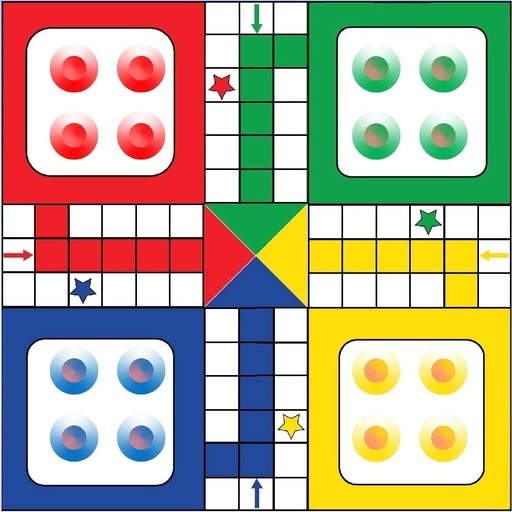
There was a time when family gatherings and friendly meetups often revolved around a physical board placed at the centre of the room. The excitement of rolling dice, planning moves, and competing face-to-face created memories that many still cherish. However, with the rise of digital entertainment, the way people experience classic games has transformed significantly.
Today, players no longer need a physical board or even be in the same room to enjoy competitive gameplay. With mobile platforms offering instant access to classic formats, traditional games have evolved into more dynamic and interactive experiences. One of the most popular examples of this evolution is ludo, which has successfully transitioned into a digital format while keeping its core excitement intact.
For modern users, the appeal lies in convenience, faster gameplay, and the ability to connect with others anytime. Instead of waiting for the right moment or gathering a group physically, players can now enjoy quick sessions that fit easily into their daily routines while still experiencing strategic fun and engagement.
The Digital Evolution of Classic Board Games
The gaming industry has witnessed a massive shift from offline board-based entertainment to interactive mobile platforms. This transformation has allowed traditional games to reach a wider audience while maintaining their original charm.
Digital versions of classic games bring several improvements such as smoother gameplay, automated systems, and real-time competition with players from different locations. This ensures that users always have someone to play with, eliminating the limitations of physical presence.
In games like ludo, the transition has been especially impactful. Players can now experience faster matches, improved interfaces, and more engaging environments that enhance the overall entertainment value.
Some key reasons behind this evolution include:
- Increased smartphone accessibility across all age groups
- Demand for quick and engaging entertainment formats
- Desire for interactive and socially connected gameplay
- Improved technology enabling fair and smooth gaming systems
These factors have collectively contributed to the popularity of digital board games, making them a preferred choice for casual and competitive players alike.
Why Players Are Moving Toward Online Gaming Platforms
Modern gaming platforms are designed to provide convenience and engagement without requiring complex setups. Unlike traditional board games, digital versions remove physical barriers and offer instant access to entertainment.
One of the biggest advantages is flexibility. Players can start a match anytime, pause their engagement when needed, and return whenever they want. This level of control makes gaming more adaptable to modern lifestyles.
In addition, digital platforms often introduce structured gameplay systems that enhance fairness and consistency. Players are encouraged to focus on strategy, timing, and decision-making, which keeps the experience engaging and skill-orientated.
Another important factor is variety. Instead of being limited to one setup or group, users can explore different matches, formats, and opponents within a single platform.
Skill-Based Gameplay and Modern Engagement
A major reason behind the popularity of digital board games is their focus on skill-based interaction. These platforms emphasise thoughtful decision-making, planning, and strategy rather than random outcomes.
In a game like Ludo, every move matters. Players must analyse the board, anticipate opponents’ actions, and make decisions that improve their chances of progressing. This makes the experience mentally engaging and competitive at the same time.
Some key aspects that enhance engagement include:
- Strategic thinking and planning before every move
- Real-time interaction with other players
- Fast-paced matches that maintain excitement
- Easy-to-understand rules with deeper strategic layers
This combination of simplicity and depth is what keeps players returning for more sessions.
As technology continues to improve, these platforms are becoming even more immersive, offering smoother gameplay and better user experiences.
Social Interaction Through Online Gaming
One of the most significant changes brought by digital platforms is the ability to connect with others effortlessly. Gaming is no longer limited to physical gatherings; it has become a way to stay socially connected regardless of distance.
The rise of online games with friends has made it easier for people to enjoy shared experiences without needing to be in the same location. Friends can now compete, interact, and enjoy games together in real time, making the experience more engaging and interactive.
This social aspect adds emotional value to gaming, turning it into more than just a form of entertainment. It becomes a way to maintain connections, share fun moments, and enjoy friendly competition.
Benefits of this social gaming trend include:
- Ability to play with friends anytime, anywhere
- Strengthened social connections through shared experiences
- Interactive and engaging group entertainment
- Easy accessibility across mobile devices
Accessibility and Modern Gaming Experience
Another key advantage of digital board games is their accessibility. With just a smartphone and internet connection, users can access a wide range of games instantly. This eliminates the need for physical setups and makes entertainment more convenient.
Platforms today are designed with user-friendly interfaces, ensuring that both new and experienced players can navigate easily. Smooth controls, clear visuals, and quick matchmaking systems contribute to a seamless experience.
Additionally, frequent updates and improvements ensure that the gameplay remains fresh and engaging over time. This continuous evolution keeps users interested and encourages long-term engagement.
Conclusion
The transformation from physical board games to digital platforms represents a major shift in how people experience entertainment today. What once required physical presence and setup is now available instantly through mobile devices, offering flexibility, convenience, and enhanced engagement.
Board games have successfully adapted to this new environment, maintaining their classic appeal while embracing modern technology. At the same time, the rise of online games has redefined social gaming, making it easier than ever to stay connected and enjoy shared experiences.
As digital entertainment continues to evolve, online gaming platforms are expected to become even more interactive, immersive, and widely accessible, shaping the future of casual and competitive play.
Skill-based digital gaming platforms are changing how users enjoy traditional games by making them more interactive and accessible on mobile devices. These platforms focus on smooth gameplay, real-time competition, and entertainment-driven experiences. Zupee is a leading name in this space, offering modern versions of classic games designed for skill-based play and engaging user experiences. It brings fast, fair, and interactive gameplay to mobile users, making traditional games more enjoyable in a digital format.


